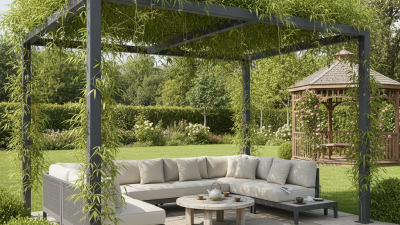
Choosing an Aluminum Veranda can change how a home feels, not merely how it looks. It creates a sheltered outdoor room for morning coffee, weekend meals, or quiet reading during light rain. The structure can connect your kitchen to the garden without demanding a major extension.
Architect Frank Lloyd Wright once said, “Study nature, love nature, stay close to nature.” An Aluminum Veranda follows that principle by opening daily life toward daylight, fresh air, and changing seasons. Its slim profiles can preserve garden views, while powder-coated finishes provide a clean, durable surface. Properly designed roofs can also reduce glare and help control summer heat near glazed doors.
However, aluminum is not maintenance-free. That assumption needs correction. Rainwater still requires careful drainage. Poor installation may cause leaks, movement, or visible gaps around the wall connection. A reliable supplier should explain alloy quality, coating performance, structural calculations, gutter design, and installation methods. Ask to see completed projects, not only polished showroom images.
In my experience, the best veranda decisions begin with practical details. Measure the afternoon sun. Notice prevailing wind. Check where rainwater will travel. Think about furniture, lighting, and winter use before choosing dimensions. A veranda that looks impressive but feels cold or cramped will disappoint.
Aluminum Veranda systems offer strength, low routine maintenance, and flexible styling. Their value depends on design discipline and workmanship. Consider the whole living experience, not just the frame.
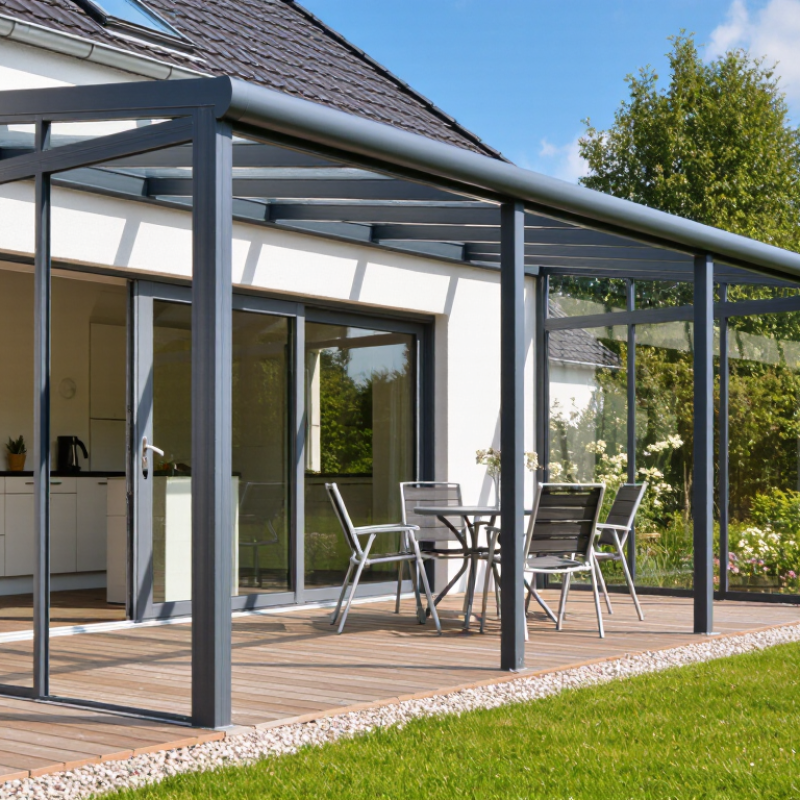
An aluminum veranda is a covered outdoor structure attached to, or positioned beside, a home. It usually has an aluminum frame, a solid or glazed roof, and optional side panels. The space can shelter a patio table, bicycles, or muddy shoes near a back door. Unlike timber, aluminum does not rot, attract insects, or require frequent staining. It is also relatively light and strong. Powder-coated finishes can protect the surface and offer several practical colors.
In real use, the frame feels clean and stable, especially during wet seasons. I have noticed that good drainage matters more than many homeowners expect. Poorly directed water can stain walls or leave slippery patches below. Aluminum can expand and contract with temperature changes, so careful installation is important. A qualified installer should check wall strength, roof pitch, drainage, and local building requirements. I once underestimated afternoon heat beneath a dark roof. Ventilation or insulated roofing would have improved that space.
Tips: Measure the doorway and furniture before choosing the size. Leave enough clearance for opening doors comfortably. Ask how rainwater will be collected and discharged. Check the coating warranty and maintenance instructions. Inspect joints and seals each year. Do not assume every veranda suits every wall. An independent building professional can identify structural concerns, especially for older homes. Some designs look elegant in brochures but feel cramped beside real furniture. Test the layout with tape on the patio first.
Why Choose an Aluminum Veranda for Your Home?
An aluminum veranda begins with accurate site measurements, not a catalogue sketch. Designers check wall alignment, drainage routes, door clearances, and local wind and snow loads. The frame is usually engineered from hollow extrusions, which provide strength without unnecessary weight. Experienced installers also allow movement around joints, because aluminum expands and contracts with temperature changes. Small errors matter.
Construction quality depends on the connection details. Bolted joints should resist corrosion, while concealed gutters must guide water away from walls and paving. Powder-coated surfaces can improve durability, but only when the metal is correctly cleaned and prepared. The American Architectural Manufacturers Association recommends performance testing for structural components, including water penetration and wind resistance. These tests give homeowners measurable evidence, rather than attractive promises.
Material selection also affects environmental performance. The International Aluminium Institute reports that recycled aluminum requires roughly 5% of the energy used for primary production. That advantage depends on responsible sourcing and effective collection. Thermal breaks can reduce heat transfer through connected framing, although they cannot fix poor ventilation or badly positioned glazing. A veranda may look simple. It is not. Designers still need to balance daylight, shade, drainage, maintenance access, and household use. A perfect design is unrealistic; careful review is better.
Aluminum verandas offer homeowners a practical balance of strength, comfort, and low maintenance. Unlike untreated timber, aluminum does not rot, warp, or attract termites. Its powder-coated surface usually needs only occasional washing with mild soap. The International Aluminium Institute reports that about 75% of all aluminum ever produced remains in use today. This reflects its durability and strong recycling potential.
A well-designed veranda can also improve outdoor comfort. The U.S. Department of Energy states that exterior shading can reduce unwanted solar heat gain through windows. That may help lower cooling demand during hot seasons. However, aluminum is not magic. Poorly planned roofs can trap heat, create glare, or direct rain toward walls. Thermal breaks, correct roof pitch, and reliable drainage deserve professional attention. A 2023 remodeling survey by the National Association of Home Builders also identified outdoor living spaces as a continuing homeowner priority. Preferences still vary by climate and budget.
Tips: Check local wind and snow requirements before installation. Ask for corrosion-resistant fixings and clear drainage details. Choose roof panels that balance daylight and shade. A darker finish may feel warmer in direct sun. Measure twice. Reconsider once.
Resale value should not be promised automatically. It depends on workmanship, proportions, and how naturally the veranda fits the home. A smaller, carefully detailed structure can feel more useful than an oversized addition. Regularly inspect joints, gutters, and sealants, especially after severe weather.
Why Choose an Aluminum Veranda for Your Home?
Choosing the right aluminum veranda starts with your daily routine, not its appearance. Measure the patio carefully, including doors, windows, and nearby trees. A veranda that feels spacious in a showroom may feel cramped beside your kitchen door. Think about shade, too. A south-facing patio may need a solid roof, while a shaded garden could benefit from translucent panels. Small details matter.
During a patio assessment, I once underestimated afternoon glare. The structure looked attractive, but the seating area became uncomfortable after three o’clock. That mistake changed my approach. Check the sun at different times before selecting the roof style. Also, ask a qualified installer about local wind, rain, and snow requirements. Drainage should direct water away from walls and foundations. Strong connections matter more than decorative extras.
Choose powder-coated aluminum with a finish suited to your climate. Coastal air may demand careful material selection and regular rinsing. Inspect profiles, joints, gutters, and fixings before installation. A reliable contractor should explain load limits, maintenance, warranty terms, and building permissions clearly. Do not compare prices alone. Cheap framing can bring poor drainage or difficult repairs later. I would also leave room in the budget for lighting and future screening. Plans change. That part is easy to forget.
A practical guide to choosing the right aluminum veranda based on performance, comfort, maintenance, and design requirements.
| Selection Factor | Typical Aluminum Veranda Data | Why It Matters for Your Home |
|---|---|---|
| Structural Durability | Aluminum has a high strength-to-weight ratio and does not rot, crack, or warp like untreated timber. | It provides a stable frame for outdoor use while keeping the structure relatively light. Structural design should still account for local wind, snow, and building regulations. |
| Expected Service Life | A properly designed and maintained aluminum structure can commonly serve for 25 years or longer. | Long service life can reduce the need for replacement. Actual performance depends on alloy, protective coating, installation quality, drainage, and climate exposure. |
| Corrosion Resistance | Aluminum naturally forms a thin oxide layer that helps protect the underlying metal from further oxidation. | This makes aluminum suitable for many damp and coastal environments. In highly saline areas, regular cleaning and appropriate surface treatments are important. |
| Maintenance Requirements | Usually limited to periodic washing with mild soap and water, plus checks of seals, fasteners, gutters, and drainage paths. | Lower routine maintenance saves time compared with materials that require frequent painting, staining, or treatment against moisture damage. |
| Frame Weight | Aluminum is substantially lighter than steel while providing useful structural strength. | A lighter frame can simplify handling and installation and may place less load on an existing patio or supporting surface. The foundation must still be professionally assessed. |
| Thermal Performance | Aluminum conducts heat more readily than timber or thermally broken composite materials. | For a veranda intended for year-round use, insulated roof panels, thermal breaks, shaded glazing, and effective ventilation can improve indoor comfort and reduce heat transfer. |
| Roof Material Options | Common options include polycarbonate sheets, laminated or toughened glass, insulated panels, and solid aluminum panels. | Clear glazing maximizes daylight, polycarbonate is lightweight and impact resistant, and insulated panels generally provide better solar and thermal control. The best choice depends on orientation and climate. |
| Weather Protection | Roof pitch, flashing, gutters, downpipes, seals, and correctly engineered connections determine water and wind performance. | A well-designed veranda can protect doors, windows, patios, and outdoor furniture from rain and excessive sunlight. Weather performance should be confirmed for the local site conditions. |
| Natural Light | Roof glazing can transmit daylight, while tinted, opal, or solar-control panels reduce glare and solar gain. | Choose the roof transparency according to the veranda’s direction. South- or west-facing areas in the Northern Hemisphere may need stronger solar control during warmer months. |
| Design Flexibility | Aluminum profiles can support freestanding, wall-mounted, lean-to, and custom-shaped veranda layouts. | Available choices may include fixed or adjustable louvers, sliding glass panels, privacy screens, integrated lighting, and side panels to match the home’s architecture. |
| Color and Finish | Powder coating and anodizing are common protective and decorative finishes. Powder-coated surfaces are available in a broad range of colors. | A durable finish improves appearance and helps protect the metal. Select a coating suitable for the expected ultraviolet exposure and local environmental conditions. |
| Environmental Considerations | Aluminum can be recycled repeatedly, and recycling generally requires much less energy than producing primary aluminum. | Choosing a long-lasting structure and asking about recycled content and end-of-life recyclability can reduce material waste over the product’s lifecycle. |
| Planning and Installation | Requirements vary by location and may involve permits, boundary rules, drainage provisions, and structural calculations. | Before purchasing, verify local planning regulations and have the structure checked for wind loads, snow loads, anchoring, water runoff, and compatibility with the existing building. |
| Best Choice for Your Home | Select the frame, roof, drainage, shading, and enclosure options as one coordinated system. | Consider the veranda’s size, orientation, intended use, local weather, desired daylight, privacy needs, budget, and whether the space will be used seasonally or throughout the year. |
Note: Performance figures and service-life expectations are typical industry guidance rather than guarantees. Final specifications should be based on local building codes, site conditions, engineering requirements, and the selected materials.
Why Choose an Aluminum Veranda for Your Home?
Maintenance is where aluminum often earns its value. It does not rust like steel, and powder-coated surfaces usually need only seasonal washing with mild soap and water. In practical site inspections, the vulnerable areas are often not the frame. Check fasteners, drainage channels, seals, and wall connections. Leaves trapped in a gutter can create stains and water damage surprisingly quickly. The International Aluminium Institute reports that recycled aluminum uses about 5% of the energy required for primary aluminum production. That supports a more responsible lifecycle, although coating replacement and transport still affect the total footprint.
Longevity depends on design, climate, and installation quality. A well-engineered aluminum structure can serve for several decades, but “maintenance-free” is an exaggeration. Coastal air, poor drainage, and dissimilar metals can accelerate corrosion around joints. The Building Research Establishment recommends assessing exposure conditions when specifying external materials, rather than relying on material labels alone. Initial aluminum costs may exceed basic timber options, yet lower repainting, repair, and replacement needs can narrow the gap over time. Actual savings vary. A clear quote should separate the frame, roof, foundations, drainage, labor, and future coating work. That detail is easy to overlook.
Typical expected service-life ranges for common veranda frame materials. Aluminum generally offers long-term durability with low routine maintenance and no regular repainting.
Aluminum frames commonly last around 30–50 years when properly installed and maintained. Timber typically requires more frequent sealing or painting and may last approximately 10–30 years, while uPVC generally lasts about 20–40 years. Actual performance depends on climate, installation quality, drainage, cleaning, and product specification. Although aluminum can have a higher initial material cost than some alternatives, its low maintenance requirements and long service life can reduce whole-life ownership costs.