How to Install Metal Aluminum Awnings for Your Home?
Metal Aluminum Awnings are becoming an increasingly popular choice for homeowners seeking to enhance their outdoor living spaces. According to a report by the Home Improvement Research Institute, the market for aluminum awnings is projected to grow by 8% annually over the next five years. This growth is attributed to their durability, low maintenance, and aesthetic appeal.
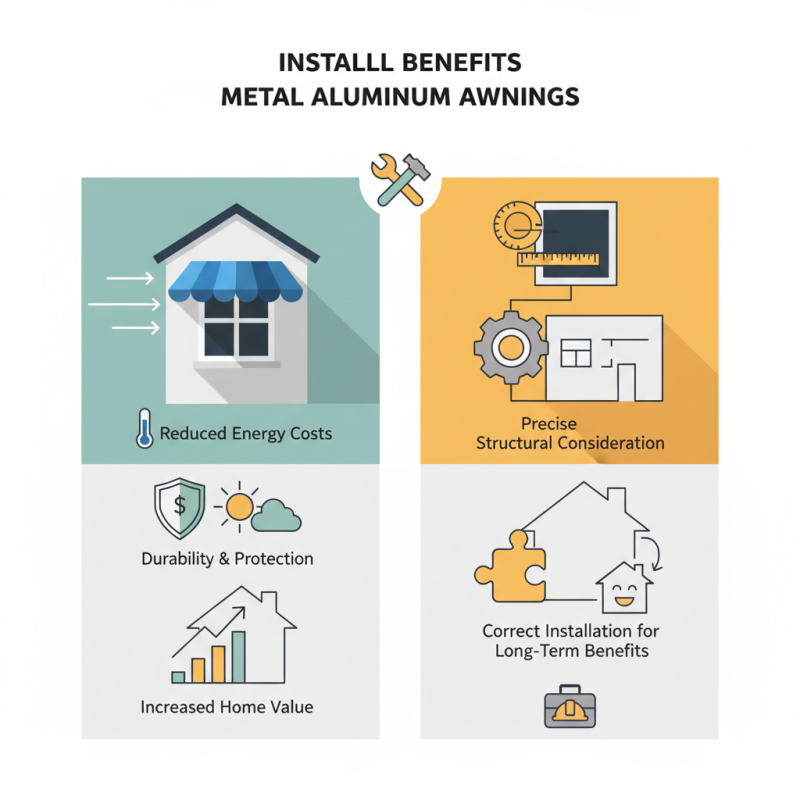
Expert Thomas Reynolds, a recognized authority in outdoor home enhancements, states, "Metal aluminum awnings provide not just protection from the sun but also add significant value to a home." His insights underscore the balance between functionality and design. Homeowners are realizing that Metal Aluminum Awnings can reduce energy costs by blocking heat from entering the home.
However, installing these awnings isn't always straightforward. Homeowners must consider their environment and the structure of their homes. Some might overlook essential factors, such as proper measurement and design fit. Ensuring correct installation is crucial for both functionality and long-term benefits. Each installation requires careful thought and planning to avoid common pitfalls. With the right guidance and approach, Metal Aluminum Awnings can transform a home's exterior and improve its overall value.
Selecting the Right Metal Aluminum Awnings for Your Home
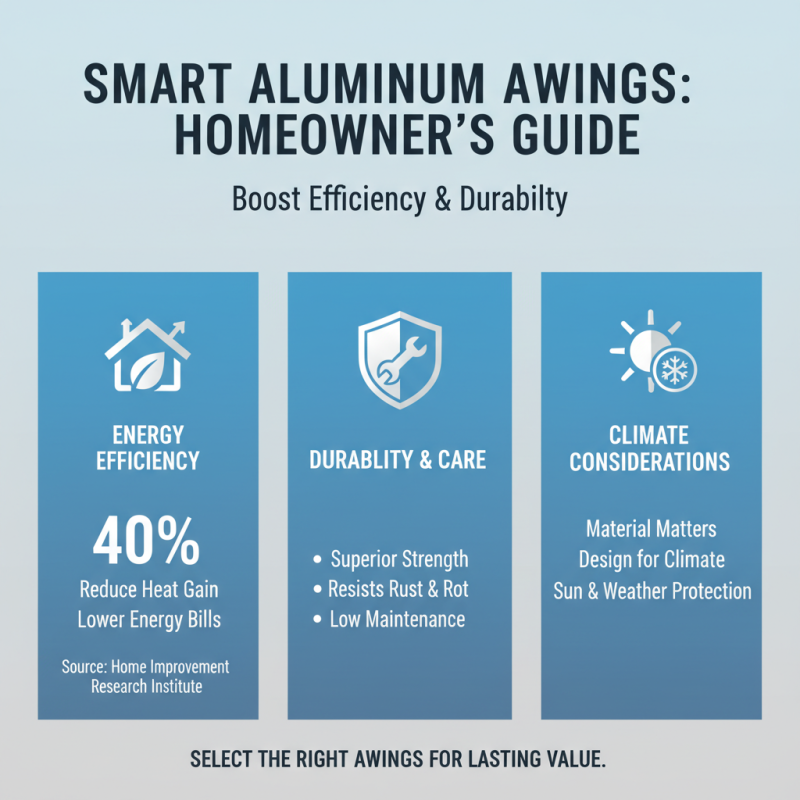
When selecting metal aluminum awnings for your home, several key factors should guide your decision. According to a recent industry report from the Home Improvement Research Institute, appropriate awning selection can enhance energy efficiency by up to 40%. This statistic emphasizes the importance of choosing the right material and design for your specific climate. Metal aluminum awnings provide superior durability and low maintenance, making them a popular choice among homeowners.
Consider the architectural style of your home. Awnings with clean lines and modern finishes complement contemporary designs. Conversely, more ornate styles may suit traditional homes better. Data from the National Association of Home Builders indicates that aesthetic compatibility can increase property value by as much as 12%. Additionally, color choices impact heat absorption. Lighter colors tend to reflect sunlight, keeping interiors cooler, while darker colors may absorb more heat.
Reflect on your local weather conditions as well. If you live in an area with heavy rainfall or snow, robust aluminum awnings can bear these elements effectively. However, some homeowners overlook local weather patterns and face issues with wear over time. It’s crucial to analyze your environment carefully. This information could guide your choice, ensuring your investment in awnings meets both functional and aesthetic needs.
Preparing Your Home for Awning Installation
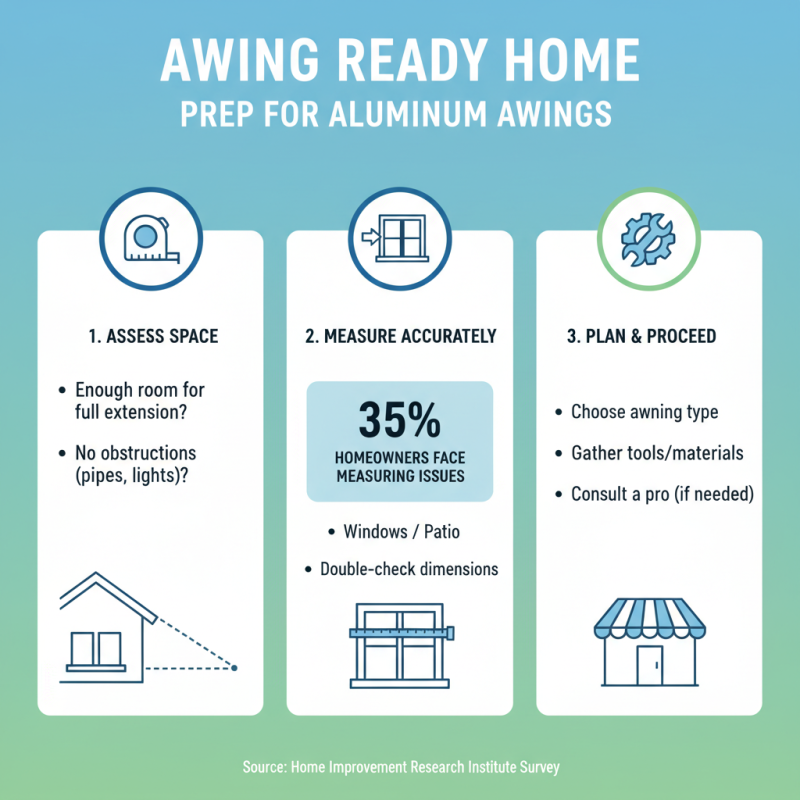
Preparing your home for awning installation requires careful consideration and planning. Start by assessing the area where you plan to install the aluminum awnings. Ensure there is enough space for the awning to extend fully without obstruction. According to a recent survey by the Home Improvement Research Institute, over 35% of homeowners encounter issues when measuring for awnings. Take accurate measurements of your windows or patio to avoid costly mistakes.
Next, check the structure where the awnings will be attached. The mounting surface must be sturdy enough to support the weight of the awning. In fact, a report from the National Association of Home Builders notes that improperly anchored awnings can pose safety risks. Inspect the condition of the wall or roof and reinforce it if necessary. Also, consider the climate in your region. High winds or heavy rainfall can impact the durability of your awning.
Finally, gathering the necessary tools and materials is essential. Having everything ready can make the installation process smoother. It's surprising to see that 25% of DIYers report they forget key tools, prolonging the installation. Create a checklist to ensure that you have everything on hand, including brackets, screws, and a level. Taking these steps will prepare your home for a successful awning installation.
Step-by-Step Instructions for Installing Metal Aluminum Awnings
Installing metal aluminum awnings can enhance your home’s curb appeal and energy efficiency.
According to a recent industry report, awnings can reduce heat by up to 65% on southern-facing windows.
This signifies that they not only shelter your home but also contribute to energy savings.
When you begin the installation, gather all necessary tools and components. Ensure you have a level, drill, and mounting brackets.
Securely attach the brackets to your wall. The correct positioning is essential for a stable installation.
If the awning sits too high or too low, it may not provide adequate protection from rain or sun.
Pay attention to the alignment. A crooked awning can look unprofessional and detract from your home’s aesthetics.
Misalignment may also stress the awning structure, leading to premature wear.
Check local guidelines for height requirements to avoid any issues.
Take your time during this process. A rushed installation can lead to mistakes, such as improper sealing which may cause leaks.
Ensuring every step is done correctly will maximize the durability and functionality of your awnings.
Securing and Maintaining Your Aluminum Awnings
Maintaining aluminum awnings is crucial for their longevity and functionality. Regular cleaning is essential. You can use a mild detergent with water to wash off dirt and debris. Rinse thoroughly to avoid residue. Accumulated dirt can cause discolouration or even damage over time.
Tips: Inspect your awnings at least twice a year. Look for signs of corrosion or wear. Addressing these issues early can save you money and time. If you notice scratches, touch them up quickly to prevent rust formation.
Securing your aluminum awnings is equally important. Check all mounting hardware regularly. Loose screws can lead to sagging or falling awnings. If you live in a windy area, consider adding additional support brackets. This small step can enhance stability.
Tips: When installing, ensure proper alignment. A slight misalignment may not be apparent at first, but it can worsen over time. Ensure that your awnings are level. Improper angles can result in water pooling, leading to leaks.
Common Mistakes to Avoid During Installation
Installing metal aluminum awnings can enhance your home’s exterior. However, during the installation process, avoiding common mistakes is crucial.
One pitfall is underestimating measurements. Ensure you measure twice before cutting. This prevents costly errors. Misaligned or incorrectly sized awnings can lead to a poor fit. Always confirm dimensions for your window or patio space.
Another common mistake involves improper fastening. Using the wrong hardware can lead to future problems. Always select hardware that suits the aluminum material. Pay attention to the weight and size of your awning.
Tips: Check local building codes before starting your project. This ensures compliance and can save you from fines. Also, consider weather conditions. Installing on a windy day can complicate the process.
Finally, don’t rush the installation. Take your time to analyze the fit and finish. If something doesn’t look right, step back and reassess. Keeping a careful approach leads to a satisfying finish.
Common Mistakes to Avoid During Metal Aluminum Awnings Installation