How to Choose the Best Aluminum Railings for Your Project?
Choosing the right Aluminum Railings for your project is crucial. They serve both aesthetic and functional purposes. With various designs, colors, and materials available, the process can be overwhelming. However, the right choice enhances safety and beauty.
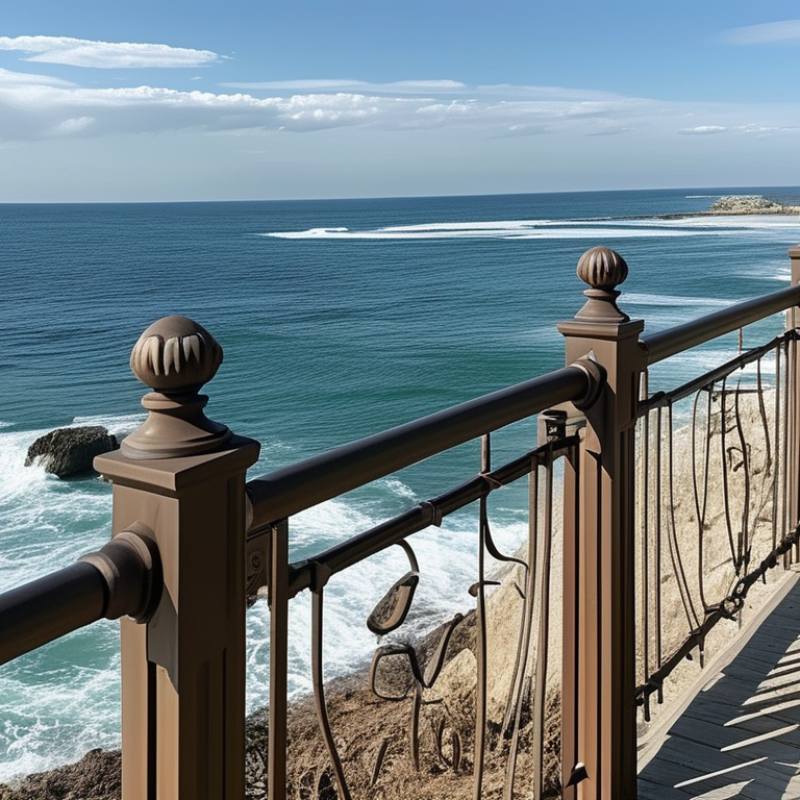
Consider the environment where the railings will be installed. Different weather conditions affect material durability. For instance, coastal areas may require more resistant options. Aluminum Railings are lightweight but still need to withstand strong winds and corrosion.
Take time to compare options. Don’t rush into a decision, as mistakes can be costly. Seek advice from professionals or inquire about customer experiences. Reliable information helps in making informed choices. Be open to insights that may challenge your preferences. Balancing aesthetics with practicality is key to a successful installation.
Understanding Aluminum Railings: Benefits and Applications
Aluminum railings are a popular choice in modern construction. Their durability and low maintenance make them appealing. According to industry reports, aluminum railings can withstand extreme weather conditions, showing corrosion resistance up to 75% more than steel. This makes them ideal for both residential and commercial projects.
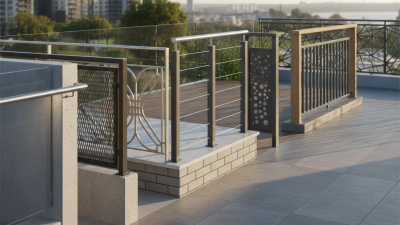
The versatility of aluminum railings is notable. They can fit various designs, from minimalist to ornate styles. A report from the American Institute of Steel Construction emphasizes that aluminum can be fabricated into any shape, allowing architects and builders creative freedom. Railings can enhance safety while providing aesthetic value.
Moreover, the life cycle of aluminum railings is impressive. They can last 30 years or more without significant deterioration. However, it is essential to consider the installation environment. While they resist corrosion, they can still be affected by harsh chemicals. Some users report noticing staining after exposure to certain cleaners. Understanding these nuances is vital for projects that require longevity and reliability in railings.
How to Choose the Best Aluminum Railings for Your Project?
| Feature |
Description |
Benefits |
Common Applications |
| Durability |
Resistant to rust, corrosion, and adverse weather conditions. |
Long lifespan with minimal maintenance. |
Decking, balconies, and stairs. |
| Weight |
Lightweight material that is easy to handle and install. |
Reduced shipping costs and ease of installation. |
Residential and commercial constructions. |
| Design Flexibility |
Available in various styles, colors, and finishes. |
Enhanced aesthetic appeal that fits different architectural designs. |
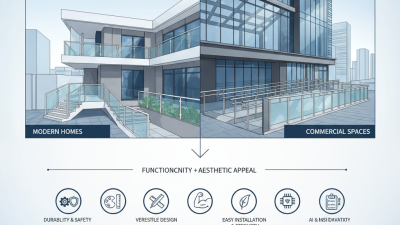
Modern homes, commercial buildings, and public spaces. |
| Safety |
Meets safety codes and regulations when installed properly. |
Provides secure barriers for elevated areas. |
Stairs, balconies, and pool areas. |
| Eco-Friendly |
Recyclable materials facilitating environmental sustainability. |
Lower impact on the environment during production and disposal. |
Green building projects and eco-friendly homes. |
Key Factors in Selecting Aluminum Railings for Safety and Durability
When selecting aluminum railings, safety and durability are paramount. The thickness of the aluminum is a crucial factor. Thicker railings generally provide better strength. They withstand impacts and resist bending. This is especially important in high-traffic areas or homes with children. Ensure that the material meets industry standards for structural integrity. Look for railings that are tested for strength and fatigue, as this reflects their reliability.
Corrosion resistance is another vital element. Aluminum naturally forms an oxide layer, which protects against rust. However, not all finishes are equal. Powder-coated railings offer superior resistance to scratches and fading. They require minimal maintenance, adding to their durability. Always check the warranty details. A longer warranty can indicate a manufacturer’s confidence in their product.
The design also plays a role in safety. Choose railings with no sharp edges. Smooth finishes reduce injury risks. Consider styles that enhance visibility and light flow. Aesthetic choices should not compromise safety. Pay attention to local building codes. Compliance ensures that your railings are legally sound and safe for use. Making informed choices in these areas can significantly affect your project’s success.
Comparing Aluminum Alloys: 6061 vs. 6063 for Railings
When considering aluminum railings for your project, the choice of alloy can impact both durability and aesthetic appeal. Two popular options are aluminum alloys 6061 and 6063. Each has its own characteristics that cater to different needs.
6061 alloy features a higher strength profile, making it ideal for structural applications. Its resistive nature to corrosion enhances longevity. It often performs well in demanding environments. However, 6061 can be less malleable than 6063, which could make intricate designs more challenging.
On the other hand, 6063 alloy is known for its excellent extrudability and aesthetic finish. It is often chosen for architectural applications due to its smooth appearance. While it may not be as strong as 6061, its lightweight nature can offset the need for heavy structural support. That said, it's essential to evaluate your project's specific requirements and environmental conditions. Sometimes, an alloy's advantages may not align with the unique challenges you face.
Design Aesthetics: Choosing Finishes and Colors for Aluminum Railings
Designing aluminum railings involves careful consideration of finishes and colors. The right choices can significantly enhance the aesthetics of any outdoor space. A popular option is powder coating, which offers a durable finish. This method protects against scratching and fading over time. Black or white are classic choices, but brighter colors can make a bold statement.
When selecting colors, think about the surrounding environment. Earthy tones can blend harmoniously with nature. Conversely, vibrant shades can create an eye-catching focal point. It's advisable to consider seasonal changes too. What looks good in summer might not resonate in winter. A well-planned color palette can provide continuity throughout the year.
Finishes also play a crucial role in the overall look. Brushed or satin finishes offer a modern touch. They catch light in interesting ways and add depth. However, these options may show fingerprints and smudges more easily. This might require more maintenance than expected. Reflecting on these aspects can help achieve a balanced design that feels cohesive and thoughtful.
Cost Analysis: Budgeting for Aluminum Railings in Your Project
When budgeting for aluminum railings, several factors come into play. The cost of materials varies based on quality and design. Basic designs are usually less expensive, while custom styles can significantly increase your budget. Determine what look you want and stick to realistic pricing.
Installation costs are another critical aspect. If you choose to hire professionals, labor costs can add up. DIY installation might save some money, but ensure you have the required skills. Mistakes could lead to added expenses and safety issues.
Finally, consider maintenance costs. Aluminum railings require less upkeep compared to other materials, but occasional cleaning is necessary. Over time, investing in durable materials may prove to be more cost-effective. Ensure to account for all these aspects while developing your budget. Balancing quality and cost is essential for the right choice.