How to Choose the Right Aluminium Pipe Bends for Your Project?
Choosing the right Aluminium Pipe Bends for your project can significantly impact its success. The quality and dimensions of these components affect flow efficiency and durability. When selecting Aluminium Pipe Bends, it’s crucial to consider the specific application. Will the bends need to endure high pressure? Do they require a particular angle? These questions can guide your decision.
Aluminium is favored for its lightweight yet sturdy nature. However, not all bends are created equal. There are different grades and finishes to consider, each with unique properties. It's essential to have clarity on your project’s requirements. Improper choices can lead to performance issues or even failure.
Understanding pipe bends can be complex. It requires attention to detail and some experimentation. The best choice may not always be evident. You need to weigh options based on performance, cost, and availability. Balancing these factors leads you closer to selecting the right Aluminium Pipe Bends for your needs, but remember that every project is unique.
Understanding the Types of Aluminium Pipe Bends Available
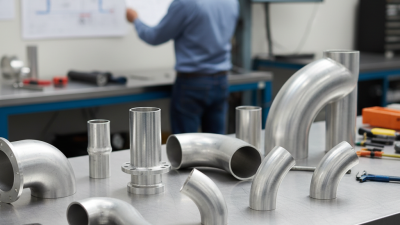
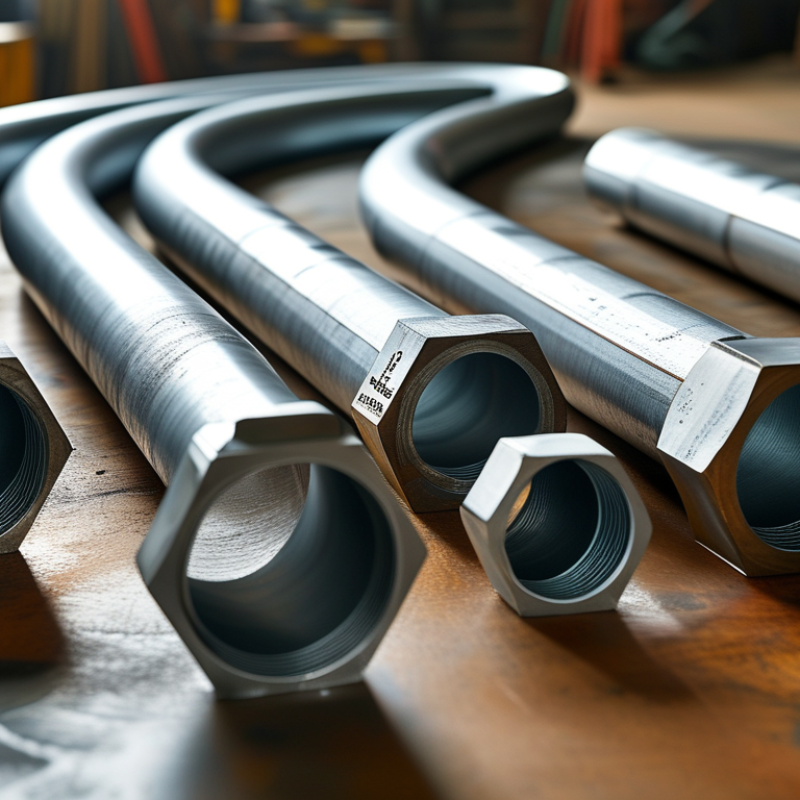
When selecting aluminium pipe bends for your project, it's crucial to understand the types available. Aluminium bends come in various shapes, such as elbows, tees, and reducers. Each type serves a specific purpose in different applications. Elbows are frequently used to change pipe direction at 90 or 45 degrees. They are suitable for tight spaces and ensure smooth fluid flow.
Be mindful of pipe thickness when choosing. Thicker bends offer better durability but can be heavier. They might be cumbersome for projects where weight is a concern. On the other hand, thinner bends are lighter but may not withstand high pressure as effectively. Evaluate your project's needs carefully. Consider the environment where the pipes will be used. Corrosive conditions require additional considerations.
Sometimes, projects may have unexpected challenges. Bends might not fit as intended, leading to adjustments. Always have a backup plan for modifications. This adaptability can save time and resources. Understanding different aluminium pipe bends helps ensure the success of your project. A well-informed choice allows for enhanced efficiency and longevity in your piping system.
How to Choose the Right Aluminium Pipe Bends for Your Project?
| Type of Aluminium Pipe Bend |
Angle |
Diameter (mm) |
Material Thickness (mm) |
Applications |
| Short Radius Bend |
90° |
25 |
2.5 |
Fluid transfer systems, HVAC |
| Long Radius Bend |
90° |
50 |
3.0 |
Automotive exhaust systems, plumbing |
| Elbow |
45° |
32 |
2.0 |
Gas and water piping |
| U Bend |
180° |
40 |
2.5 |
Heat exchangers, condensate return lines |
| Pipe Bend with Flange |
Various |
65 |
4.0 |
Industrial applications, water treatment |
Key Factors to Consider When Selecting Aluminium Pipe Bends
Choosing the right aluminium pipe bends is crucial for your project. One key factor is the bend radius. A smaller radius creates tighter turns, which can affect flow rates. Ensure the radius suits your system's requirements. Consider the pressure rating as well. High-pressure systems need bends that can withstand intense forces.
When selecting aluminium pipe bends, material quality is vital. Check for corrosion resistance. This can prolong the lifespan of your project. Test the material properties if possible. Look for certifications that indicate reliability.
Tips for selecting bends include visual inspection. Look for visible defects such as cracks or dents. Pay attention to the wall thickness; it affects durability. Always assess your project's specific needs before making a final choice. Make sure to balance quality and cost for the best outcome.
Evaluating the Quality and Durability of Aluminium Pipe Bends
When selecting aluminium pipe bends for your project, evaluating their quality and durability is crucial. Not all aluminium are created equal. The manufacturing process can greatly influence their strength and longevity. Look for bends with uniform thickness and no visible defects. A well-finished surface usually indicates better quality. Pay attention to the alloy type as it can affect corrosion resistance.
Durability often comes from understanding the intended application. For high-stress environments, more robust options are necessary. Consider factors like temperature fluctuations and exposure to chemicals. Many users overlook these details, which can lead to premature failures. Test samples can be revealing. If possible, gauge how well they withstand pressure and harsh conditions.
It's wise to consult industry guidelines or standards when choosing your bends. Each project may have specific requirements. Engaging with professionals can provide insights based on experience. Prioritizing quality ensures long-term performance, but is often more expensive. Balancing budget and quality can be challenging. Taking time to reflect on these aspects can lead to better decision-making in the long run.
Sizing Guidelines for Aluminium Pipe Bends in Your Project
When selecting aluminium pipe bends, sizing is crucial to ensure efficiency and safety. The right bend size affects flow rate and pressure loss. According to industry studies, bends with a radius of 1.5 times the pipe diameter can reduce turbulence. This creates a smoother path for fluids, enhancing flow efficiency by up to 20%.
Considerations in sizing include the type of project and the materials used. For example, larger bends are often necessary in industrial settings where high-volume flow is required. Conversely, smaller bends may suffice for residential applications. Some engineers suggest using a software tool for accurate calculations, as human error can lead to inefficiencies. A common pitfall is assuming all projects have the same requirements, which can result in costly overruns.
Lastly, always remember that installation plays a vital role in performance. Incorrectly sized bends can lead to leaks or failures, impacting overall project integrity. Regular assessments and adjustments may be needed to optimize function. Engaging with professionals who understand these nuances is often beneficial.
Common Applications and Use Cases for Aluminium Pipe Bends
Aluminium pipe bends are widely used in various industries. Their lightweight nature makes them ideal for applications requiring efficiency. For instance, in HVAC systems, these bends facilitate airflow with minimal resistance. The durability of aluminium ensures longevity, making it a go-to option for ventilation and air conditioning systems.
In automotive manufacturing, aluminium bends are crucial for exhaust systems. They provide the necessary flexibility without compromising structural integrity. Many builders use these bends to enhance engine performance. However, selecting the right bend often requires careful consideration. Factors such as angle, radius, and wall thickness impact functionality.
Some projects might lean toward stainless steel or plastic for specific applications. While these materials offer advantages, the unique properties of aluminium can outweigh those benefits. It is essential to consider the environment and load requirements. Regular assessments and adjustments can improve the overall performance of your system. This evaluation process can lead to better decisions in the long run.
Common Applications and Use Cases for Aluminium Pipe Bends