Why Choose Aluminum Guardrail for Your Project Needs?
When considering your project needs, Aluminum Guardrail stands out as an exceptional choice. Industry expert John Carter, a structural engineer with over 15 years of experience, emphasizes its value: "Aluminum Guardrail combines durability and design flexibility like no other material."
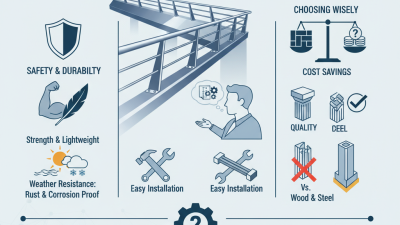
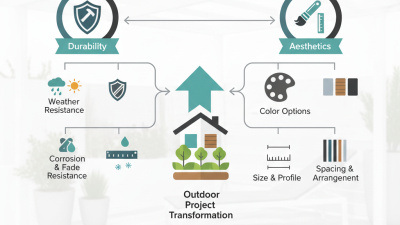
Aluminum Guardrail systems offer remarkable strength and lightweight properties. Unlike steel, aluminum won't rust. This is vital for long-term performance. Additionally, it requires minimal maintenance, reducing ongoing costs. The sleek appearance also enhances project aesthetics. However, some may overlook critical installation details. Improper setup can compromise safety.
Another consideration is the initial cost, which may be higher than traditional materials. This could deter some projects. Yet, the long-term benefits often outweigh these concerns. Investing in Aluminum Guardrail can lead to significant savings and safety assurance over time. Thus, careful evaluation is essential for optimal decision-making.
Benefits of Aluminum Guardrails in Construction Projects
Aluminum guardrails have gained popularity in construction projects due to their numerous benefits. According to a report by the American Institute of Steel Construction, aluminum ranks as one of the top choices for safety features. Its lightweight nature allows for easy installation, reducing labor costs by approximately 30%. This efficiency can significantly improve project timelines.
Moreover, aluminum guardrails are resistant to corrosion and harsh weather conditions. A study from the National Cooperative Highway Research Program showed that these guardrails can last over 50 years with minimal maintenance. This longevity translates to fewer replacements, saving money in the long run. However, while the initial investment is higher than some alternatives, the total cost of ownership often favors aluminum.
It's important to note that not all aluminum guardrails are created equal. Variations in quality and manufacturing processes can lead to inconsistencies. Some projects may opt for lower-grade materials, compromising safety. This aspect must be carefully considered during selection. Ultimately, understanding the benefits and potential pitfalls of aluminum guardrails is crucial for making informed decisions in construction.
Durability and Longevity of Aluminum Guardrails
When it comes to choosing guardrails, aluminum stands out for its durability and longevity. Aluminum guardrails resist rust and corrosion, making them ideal for various environments. Whether near saltwater or in extreme weather conditions, they remain reliable over time. This resistance means fewer replacements and lower maintenance costs.
One notable aspect of aluminum is its lightweight nature. This quality facilitates easier installation, which can save labor time and costs. However, it's essential to ensure proper anchoring. Incorrect installation can lead to failures, so careful planning is paramount. Proper maintenance, though minimal, helps prolong lifespan even further.
Overall, aluminum guardrails provide a strong balance of strength and resilience. They can withstand impact effectively while maintaining their aesthetic appeal. The choice of aluminum is a step towards ensuring safety without compromising on quality or looks. It's a reliable material worth considering for various projects.
Versatility and Design Options of Aluminum Guardrails
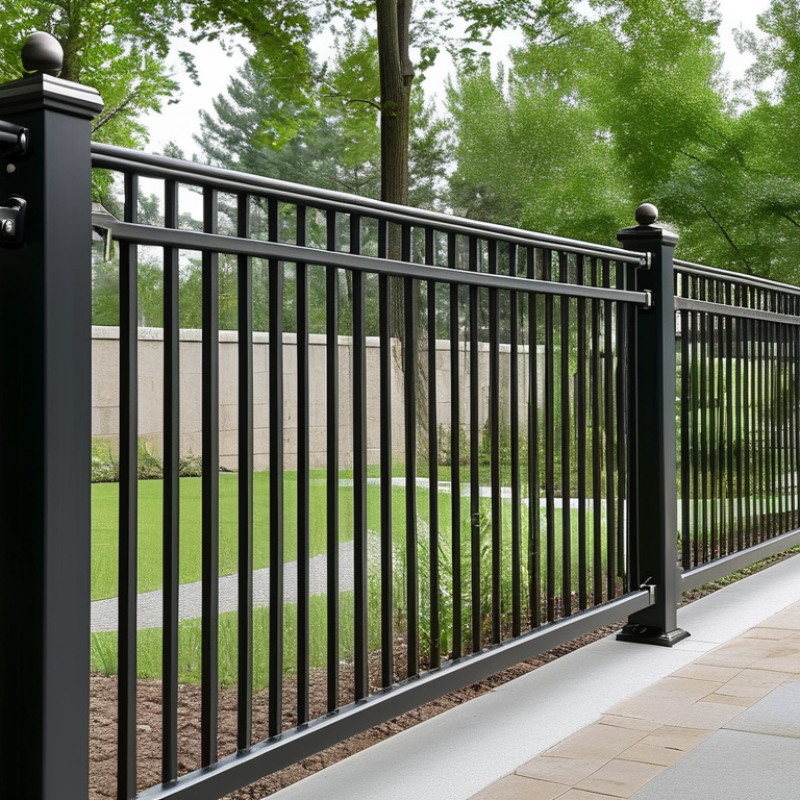
Aluminum guardrails stand out for their versatility and design options. When selecting materials for projects, aesthetics matter. Aluminum guardrails come in various colors, shapes, and finishes. This adaptability enables architects to create visually appealing spaces while meeting safety standards. A report from the Aluminum Association indicated that over 60% of architects prefer using aluminum for its design flexibility.
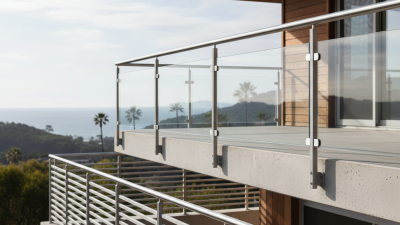
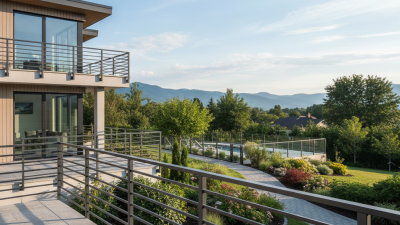
Practical applications of aluminum guardrails are evident in commercial and residential settings. In parks, bridges, and balconies, these railings provide safety without compromising style. The lightweight nature of aluminum allows for easy installation. According to industry research, aluminum guardrails can reduce installation time by up to 30%. This efficiency can noticeably cut labor costs.
However, not every project may require aluminum. Its higher upfront cost compared to other materials can be a concern. Some professionals still question the long-term durability of aluminum versus steel and wood. A study by the National Association of Home Builders shows mixed opinions regarding environmental impact. Choosing aluminum involves weighing these factors against the benefits of versatility and design.
Cost-Effectiveness of Aluminum Guardrails Compared to Alternatives
Aluminum guardrails offer substantial cost-effectiveness when compared to other materials like steel or wood. Their lightweight nature reduces installation expenses and labor costs. Projects can save time and resources. Aluminum does not require regular maintenance, which can lead to further savings in the long run. You will spend less on repairs and replacements than with traditional options.
The durability of aluminum also contributes to its overall cost-effectiveness. It is resistant to rust and corrosion, making it a smart investment for outdoor projects. This durability translates into a longer lifespan, which is critical for budget-conscious projects. Regular alternatives may need more frequent replacements, increasing lifetime costs significantly.
Many don’t consider the full lifecycle costs of guardrail materials. It's essential to weigh not only the initial purchase price but also maintenance and lifespan. Skipping this step might lead to overspending later. Reflecting on these aspects will help in making a more informed decision about your project needs.
Environmental Impact and Sustainability of Aluminum Guardrails
Aluminum guardrails are gaining attention due to their environmental benefits. They are recyclable, lightweight, and reduce resource depletion. A study by the Aluminum Association reveals that recycling aluminum saves up to 95% of energy compared to producing new aluminum. This conservation of energy contributes to a lower carbon footprint.
Using aluminum guardrails also means less maintenance. They resist corrosion and require fewer repairs over time. This durability translates to reduced waste and decreased environmental impact. According to the American Iron and Steel Institute, less maintenance means lower overall resource use and emissions throughout a guardrail's lifecycle.
Tips: When choosing materials, consider local recycling options. Engaging with suppliers about their sustainability practices can enhance your project's eco-friendliness. It's vital to reflect on how the selection of materials impacts the planet. By prioritizing aluminum, you're making a more sustainable choice.