Why Choose Aluminum Guardrail for Your Construction Projects?
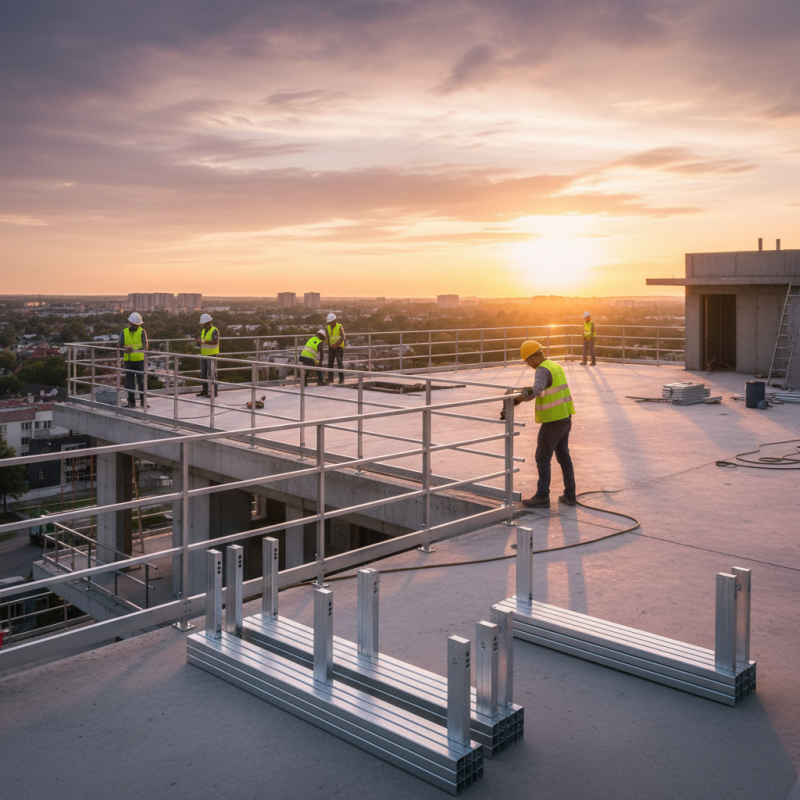
In today's construction landscape, safety and durability are paramount. Aluminum guardrails emerge as a reliable option. Their lightweight nature makes them easy to install and maneuver. But there is more to this choice than just practicality.
Aluminum guardrails offer robust protection on work sites. They withstand harsh weather and resist corrosion, ensuring longevity. Many contractors prefer them for their cost-effectiveness over time. While they may require an upfront investment, the benefits justify this choice in many cases.
However, it’s essential to consider specific project needs. Not all installations will benefit equally from aluminum. Proper assessment is crucial for optimal safety and functionality. Choosing aluminum guardrails can elevate project standards dramatically, reflecting a commitment to both safety and quality.
Benefits of Using Aluminum Guardrail in Construction Safety Measures
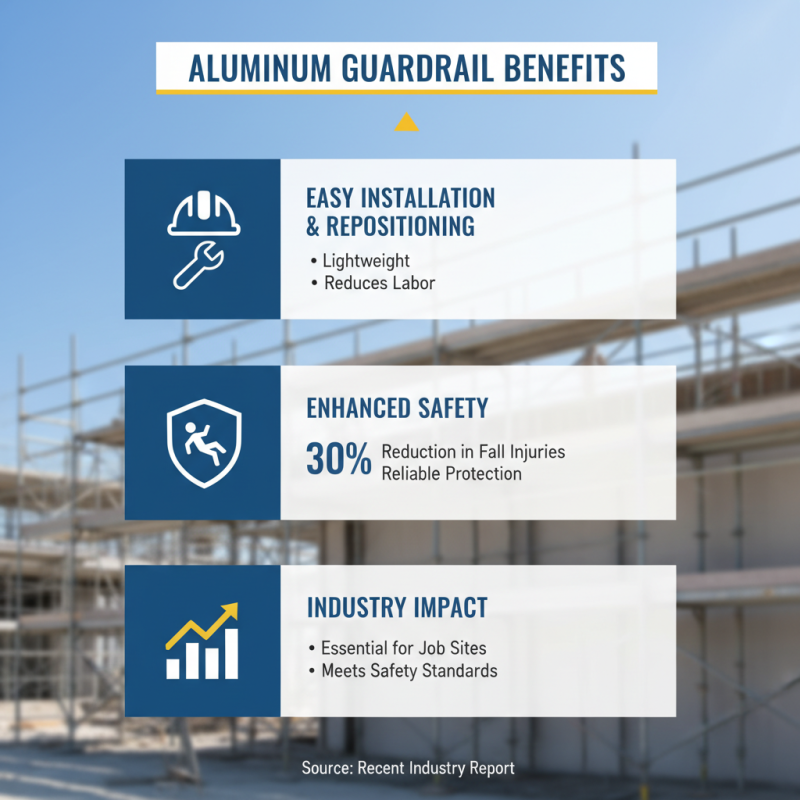
Aluminum guardrails are becoming essential in construction safety. Their lightweight nature makes them easy to install and reposition. According to a recent industry report, using aluminum guardrails can reduce fall-related injuries by up to 30%. This statistic highlights the need for reliable safety measures on job sites.
One notable benefit of aluminum guardrails is their durability. They resist rust and corrosion, vital for outdoor projects. A study from the Occupational Safety and Health Administration (OSHA) emphasizes that materials like aluminum can withstand harsh environmental conditions. However, it's important to ensure regular inspections. Over time, even durable materials may show wear and require maintenance.
Despite these advantages, some challenges exist. For instance, proper installation is crucial to avoid accidents. Inadequate anchoring can lead to guardrail failure. Training workers on these systems is essential yet often overlooked. Addressing these gaps can significantly enhance overall safety on construction sites.
Comparative Analysis: Aluminum vs. Other Guardrail Materials in Cost Efficiency
Aluminum guardrails have become popular in construction due to their cost efficiency and durability. A comparative analysis of various guardrail materials reveals that aluminum offers distinct advantages over wood and steel. According to a report by the American Institute of Steel Construction, aluminum can save up to 25% in installation costs compared to steel frameworks. This is largely due to its lightweight nature, which simplifies transportation and handling.
Maintenance plays a significant role in cost efficiency. Aluminum resists corrosion and requires fewer repairs over time. Industry data shows that aluminum guardrails reduce long-term costs by nearly 30% compared to wood, which often needs frequent replacements. The initial investment in aluminum may be higher, but its longevity and reduced maintenance yield savings.
Tip: Always consider life cycle costs when choosing guardrail materials. Aluminum might appear pricier at first, but lower upkeep can lead to significant savings.
Additionally, the environmental impact is an aspect worth noting. Aluminum is recyclable, making it a sustainable choice. This can further influence project costs, aligning with green construction practices.
Tip: Evaluate the project's specific needs before deciding. Sometimes, cheaper materials can end up costing more in the long run due to maintenance and replacements.
Durability and Longevity: Industry Standards for Aluminum Guardrails
Aluminum guardrails have become a popular choice in construction projects due to their remarkable durability and longevity. According to a report by the American Architectural Manufacturers Association (AAMA), aluminum structures can last over 50 years with minimal maintenance. This long lifespan significantly reduces replacement costs, making them a financially sound choice.
The corrosion resistance of aluminum is a key factor in its longevity. Standard tests show that aluminum withstands harsh environments better than steel or wood, which can easily deteriorate. A study by the National Association of Home Builders indicates that aluminum guardrails perform significantly better in coastal regions, where salt and humidity cause rapid wear in other materials.
Installation is also straightforward, contributing to project efficiency. Properly installed aluminum guardrails can bear loads of up to 200 pounds per linear foot, meeting and exceeding industry safety standards. However, it’s essential to consider local regulations and testing requirements during installation. Even with their strengths, misconceptions about aluminum's strength persist. Regular inspections and maintenance are necessary to ensure optimal performance and longevity.
Environmental Impact: Recyclability and Sustainability of Aluminum
Aluminum guardrails have gained popularity in construction projects due to their environmental benefits. One significant aspect is their recyclability. Unlike many materials, aluminum can be recycled multiple times without losing quality. This reduces waste and conserves natural resources. Approximately 75% of all aluminum ever produced is still in use today, demonstrating its longevity and sustainability.
The sustainability of aluminum also lies in its lightweight nature, which contributes to lower transportation emissions. Transporting heavier materials often requires more fuel, increasing carbon footprints. Using aluminum minimizes this impact. However, it is essential to consider the energy used in the production of aluminum. While it requires significant energy to create new aluminum, using recycled materials drastically cuts down on this energy consumption.
Choosing aluminum should align with broader environmental goals. While its properties promise durability, it’s vital to reflect on local recycling capabilities. Not all regions have facilities to handle aluminum recycling efficiently. This can limit the overall benefits of using aluminum guardrails. Consequently, projects must prioritize not just the material choice but also the infrastructure for recycling. Ensuring a balance between material use and local sustainability practices leads to more responsible construction choices.
Environmental Impact: Recyclability and Sustainability of Aluminum Guardrails
Regulatory Compliance: Meeting Safety Standards with Aluminum Guardrails
When it comes to construction safety, regulatory compliance is critical. Aluminum guardrails offer an effective solution to meet OSHA and local safety standards. Their lightweight structure ensures easy installation without compromising durability. Many construction sites require guardrails to protect workers from falls. By opting for aluminum, project managers can fulfill legal obligations while enhancing safety on-site.
However, not all guardrails are created equal. Aluminum guardrails must be installed correctly to meet safety codes. Improper installation can lead to accidents, diminishing their effectiveness. Workers should receive proper training on installation techniques. This ensures that the guardrails serve their intended purpose and comply with relevant regulations. It is essential to scrutinize each installation to maintain safety standards.
Furthermore, construction projects often face budget constraints. Aluminum guardrails may have a higher upfront cost but can save money long-term. They require less maintenance compared to other materials. Inspecting guardrails regularly remains crucial. Failing to do so can result in non-compliance and create safety risks. It's a balancing act between cost and safety that demands careful consideration.