2026 Best Privacy Fence Panels for Secure Outdoor Spaces?
As outdoor privacy becomes a top priority for homeowners, the demand for high-quality Privacy Fence Panels continues to surge. According to the Outdoor Living Report by the American Society of Landscape Architects, 70% of homeowners consider privacy an essential feature in their outdoor spaces. The growing interest in creating secure environments has led to advancements in materials and design, making these panels more attractive and durable.
"Privacy Fence Panels serve as both a physical barrier and a visual shield," says Mark Johnson, a leading expert in outdoor design. He emphasizes the importance of combining aesthetics with functionality in fence construction. In a world increasingly focused on personal space, these panels present an opportunity for homeowners to curate their sanctuaries.
However, not all Privacy Fence Panels are created equal. Different materials offer varying levels of security and maintenance requirements. It's vital to reflect on the long-term implications of your choices. A well-chosen fence not only enhances your outdoor space but can also increase property value. Yet, the wrong selection can lead to costly replacements and dissatisfaction. Careful consideration is essential in this seemingly straightforward decision.
Understanding Privacy Fence Panels: Importance and Benefits
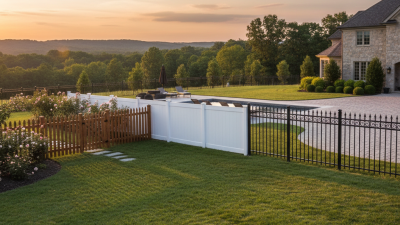
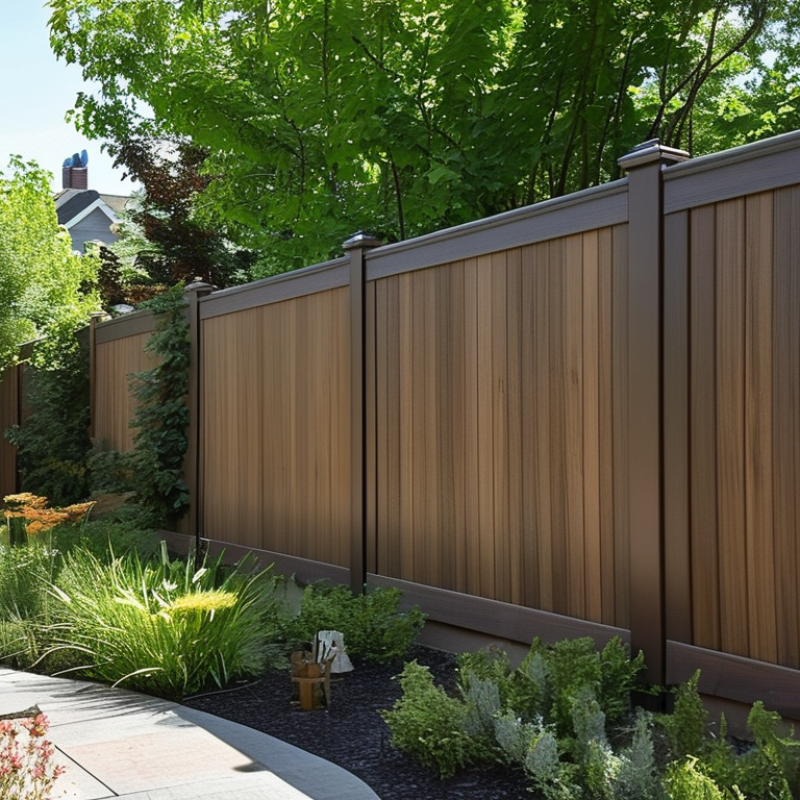
Privacy fence panels play a crucial role in creating secure outdoor spaces. They help define boundaries and provide personal space. With growing concerns about safety and aesthetics, understanding their importance becomes essential. A well-placed fence panel can deter intruders while offering a sense of peace.
Choosing the right privacy fence is more than selecting a style. It involves considering materials, height, and design. For instance, wooden panels offer a natural look, while vinyl panels provide low maintenance. Height matters; too low might not offer the desired privacy, while too high can feel imposing.
Tips: Before installation, assess your neighbor’s views and preferences. Open communication can prevent future disputes. Also, consider local regulations regarding height and materials. Always reflect on the long-term maintenance of your choice. A sturdy fence demands less upkeep, allowing you to enjoy your space.
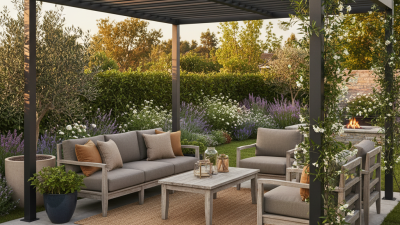
If you're concerned about aesthetics, think about how your fence integrates with your landscape. Sometimes, a tall fence can block scenic views. Explore plants or trellises that complement your design. Balancing privacy with beauty is key, but it can be challenging to achieve.
Choosing the Right Materials for Privacy Fence Panels
When selecting the right materials for privacy fence panels, durability is key. Wooden panels offer a natural aesthetic but require maintenance. They are prone to rot and insect damage. Consider the climate in your area. For humid regions, non-wood options may be best. Vinyl panels resist fading and splitting, making them a solid choice for long-term use.
Another option is metal fencing, which provides an industrial look. It's incredibly durable but may lack the warmth of wood. Think about your privacy needs. If sound reduction is also a concern, then composite materials can be effective. These often combine wood fibers and plastic, offering strength and style.
Aesthetic appeal is important, but functionality should not be overlooked. Always evaluate installation costs and local zoning laws. Reflect on your specific needs before making a choice. Each material comes with its pros and cons. It's crucial to weigh these against your outdoor space's purpose.
Top Trends in Privacy Fence Designs for 2026
As we approach 2026, privacy fence designs are evolving to meet modern needs. People seek more than just boundaries; they desire secure and stylish outdoor spaces. One trend gaining traction is the use of natural materials, like wood and bamboo. These materials blend well with the environment, creating a serene ambiance.
Color and texture play vital roles in design versatility. Darker tones can provide a sleek, contemporary look, while lighter hues evoke a rustic charm. Additionally, incorporating plants, such as climbing vines, adds visual interest and enhances privacy. Yet, designers face challenges in balancing aesthetic appeal with durability. Ensuring these materials withstand weather changes is crucial.
Another key trend involves innovative technology. Smart fence systems can help enhance security while maintaining privacy. These designs might include features like motion sensors or integrated lighting. However, not all consumers trust technology in their outdoor spaces. Some prefer traditional methods. This dichotomy reflects a broader tension in home design, where functionality and aesthetics often clash. Embracing these trends requires adaptability and thoughtful planning.
2026 Best Privacy Fence Panels for Secure Outdoor Spaces
| Panel Material |
Height (ft) |
Width (ft) |
Style |
Privacy Rating |
Estimated Cost ($) |
| Vinyl |
6 |
8 |
Solid |
High |
180 |
| Wood |
6 |
6 |
Lattice Top |
Medium |
150 |
| Composite |
8 |
6 |
Privacy |
High |
220 |
| Aluminum |
6 |
8 |
Picket |
Medium |
200 |
| Bamboo |
5 |
6 |
Natural |
Low |
100 |
Installation Tips for Secure and Effective Privacy Fencing
When considering privacy fence panels, installation is crucial for ensuring security and effectiveness. The most reliable fences range from 6 to 8 feet high, giving sufficient coverage against prying eyes. A recent survey indicated that 75% of homeowners desire an enclosed outdoor space, underscoring the importance of proper installation techniques.
Tips for Effective Installation:
Select a flat area for installation. This helps ensure your panels stand sturdy. Make use of high-quality materials. Wood, vinyl, or composite options provide durability. Always check for local building codes. Compliance can save you from potential fines.
Additionally, positioning the fence posts deep in the ground strengthens the overall structure. Professionals recommend burying posts at least one-third of their length. This may seem excessive, but it significantly increases stability. Evaluate your neighbor's privacy needs as well. Open communication can prevent disputes later on.
Before installation, consider weather conditions. Avoid rainy days, as wet soil can shift once dried. As temperatures change, materials may expand or contract. Being mindful of these factors leads to better fence longevity and performance. A well-installed privacy fence doesn't just enhance your space; it builds a secure and inviting atmosphere.
Maintenance and Care for Long-lasting Privacy Fence Panels
When it comes to privacy fence panels, maintenance is crucial for longevity. Regular inspection can prevent costly repairs. Studies show that well-maintained fences can last up to 30% longer than poorly cared-for ones. Wooden panels may require more attention. Experts recommend sealing wood every two years to resist moisture and UV damage. This simple step can significantly extend the lifespan of the fence.
Cleaning your fence should not be overlooked. A buildup of dirt and mold can affect aesthetics and durability. Use a mild detergent and a soft brush to clean the surface. This keeps the material in good condition and maintains its appearance. Additionally, checking for loose panels or rust in metal fences ensures your structure remains secure. Replacement might be necessary, but proactive care helps avoid sudden failures.
Different materials have distinct needs. Vinyl fences are low-maintenance but may still require occasional cleaning. Conversely, wood fences need routine treatment for weathering. Keeping up with these tasks can sometimes feel overwhelming. However, investing time in care leads to peace of mind and enhances outdoor spaces. Remember, a well-maintained fence also maintains the value of your property.
2026 Best Privacy Fence Panels Analysis
This chart compares the estimated durability in years of various types of privacy fence panels, showcasing the best options for secure outdoor spaces in 2026. Wood fences typically last around 15 years, while vinyl fences are known to withstand up to 25 years. Aluminum fences offer the longest lifespan, averaging around 40 years, followed by composite materials with a durability of about 30 years. Chain link fences tend to be the least durable, lasting approximately 10 years.