10 Best Aluminium Plate Types for Your Projects?
When embarking on projects that require strength and durability, the choice of Aluminium Plate is crucial. Each type of aluminium plate offers unique properties tailored for specific needs. Whether it’s for construction, manufacturing, or artistic endeavors, selecting the right plate can make a significant difference.
Different grades of Aluminium Plate come with varying thicknesses and treatments. Some are designed for high strength, while others prioritize lightweight characteristics. Understanding these differences can be overwhelming for newcomers. It’s essential to consider the application and required specifications. Often, the ideal choice may not be the most obvious one.
Furthermore, the availability and market price of Aluminium Plate types can vary widely. Networking with suppliers or researching trends might reveal unexpected options. Not every type suits every project, and testing is valuable. Balancing your project's needs with the right material can sometimes lead to difficult decisions. Yet, this exploration can also lead to innovative solutions, shaping a successful outcome.
Aluminium Plate Overview: Understanding Different Types and Uses
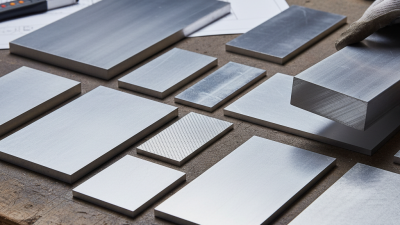
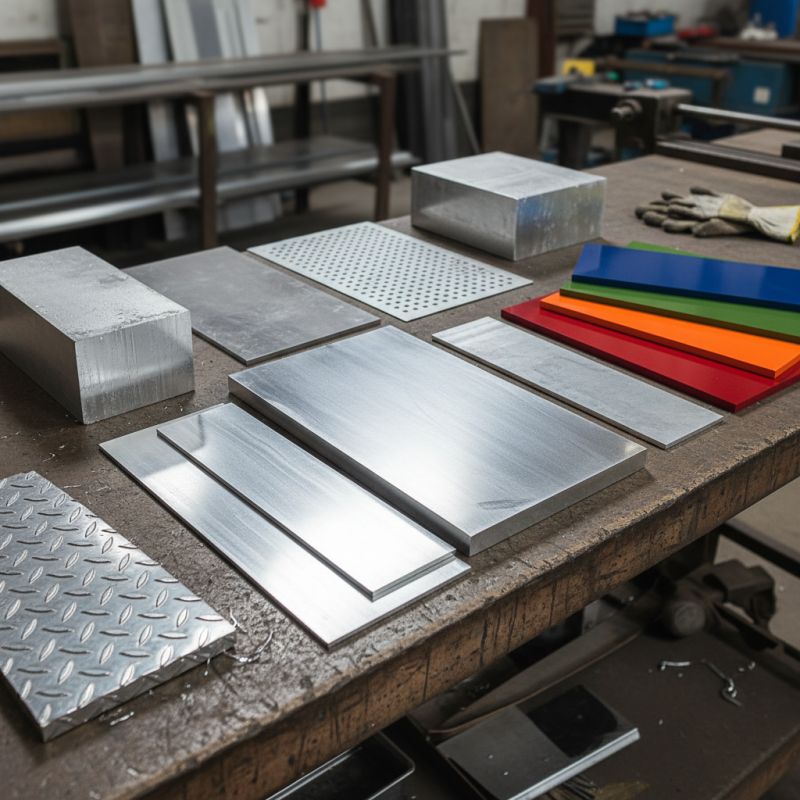
Aluminium plates come in various types, each serving unique purposes. Understanding these types is essential for any project. Common types include 2024, 6061, and 7075. Each offers different strengths and characteristics. For example, 6061 is renowned for its workability and corrosion resistance. This makes it popular in structural applications.
Another type, 2024, is often used in aerospace due to its high strength-to-weight ratio. However, it can be more prone to corrosion. The choice often depends on specific project demands. Factors like load requirements and environmental conditions play a significant role.
When selecting an aluminium plate, consider the end use. Will it be exposed to harsh elements? Or does it need to be lightweight? Reflecting on these questions can help refine your choices. It's easy to overlook such details, yet they can significantly impact your project's success. Every type has its pros and cons. Balancing these can lead to better decisions.
Key Properties of Aluminium Plates: Strength, Weight, and Corrosion Resistance
Aluminium plates are renowned for their exceptional strength-to-weight ratio. This property makes them ideal for applications where both durability and weight savings are crucial. For instance, in aerospace and automotive industries, aluminium plates contribute significantly to fuel efficiency. Their lightweight nature, often weighing less than steel, allows for easy handling and installation. However, it is essential to consider that while they are strong, aluminium plates can be less rigid under certain conditions.
Corrosion resistance is another key benefit of aluminium plates. They naturally form a protective oxide layer, preventing rust and extending their lifespan. This makes them suitable for outdoor applications and harsh environments. Industries such as marine and construction often leverage this feature. Nevertheless, while aluminium resists many elements, it can be vulnerable in highly acidic or alkaline conditions. Proper treatment may be necessary to enhance their resilience in such scenarios.
Strength, weight, and corrosion resistance are vital properties that define the performance of aluminium plates. Yet, users must evaluate specific project needs when selecting aluminium types. Sometimes, compromise is necessary. Balancing strength and weight can be challenging. Understanding the unique characteristics of various aluminium plate types is essential for making informed decisions.
10 Best Aluminium Plate Types for Your Projects
This chart illustrates the key properties of different types of aluminium plates commonly used in various projects. The properties measured include Strength (MPa), Weight (kg/m²), and Corrosion Resistance (rated from 1-10).
Comparison of Popular Aluminium Plate Alloys for Various Applications
When selecting aluminium plates, the alloy type significantly influences performance. A common choice, 6061 aluminium, is renowned for its versatility. It combines good mechanical properties with corrosion resistance. This makes it suitable for various applications, including structural components and marine environments.
Another popular alloy is 5052. It stands out for its exceptional workability and weldability. This alloy is often used in automotive and aerospace industries. Its ability to resist fatigue and stress corrosion makes it a reliable option. However, it may not be the best choice for high-strength applications.
Lastly, 2024 aluminium offers superior strength, but at the expense of corrosion resistance. It is commonly found in aerospace applications. Users often discover that while 2024 excels in strength, it requires careful management in corrosive environments. Each alloy has its strengths and weaknesses, emphasizing the importance of matching the right alloy to your project's specific needs.
Choosing the Right Aluminium Plate Type for Your Project Needs
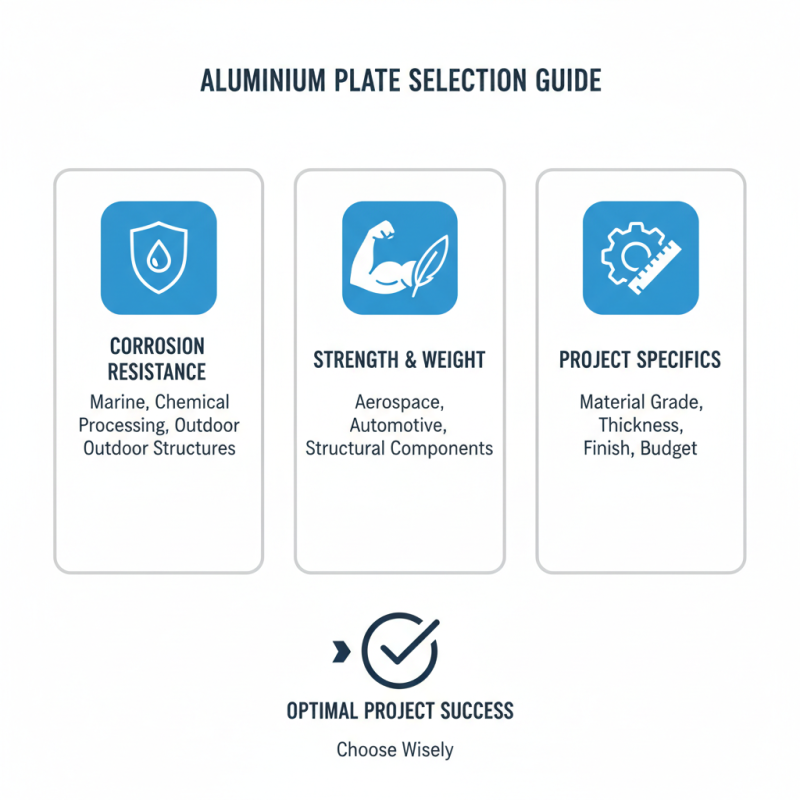
Choosing the right aluminium plate type is crucial for your project's success. Each type of aluminium plate has unique properties that serve different purposes. For instance, some plates offer high corrosion resistance, while others are lightweight yet strong. Knowing the specific requirements of your project will help you select the best option.
When selecting aluminium plates, consider factors like thickness, durability, and finish. Are you working on construction, manufacturing, or art? Your use case will dictate which plate suits your needs best. If the plates will be exposed to harsh environments, choose alloys designed for toughness.
Tips: Conduct a small test before committing to a large order. This allows you to evaluate how well the plate meets your expectations. Also, don’t hesitate to seek advice from experts or colleagues. They may highlight considerations you haven't thought of. Reflect on previous projects too; what worked and what didn't? This insight can guide your choices effectively.
Applications of Aluminium Plates in Construction, Aviation, and Automotive Industries
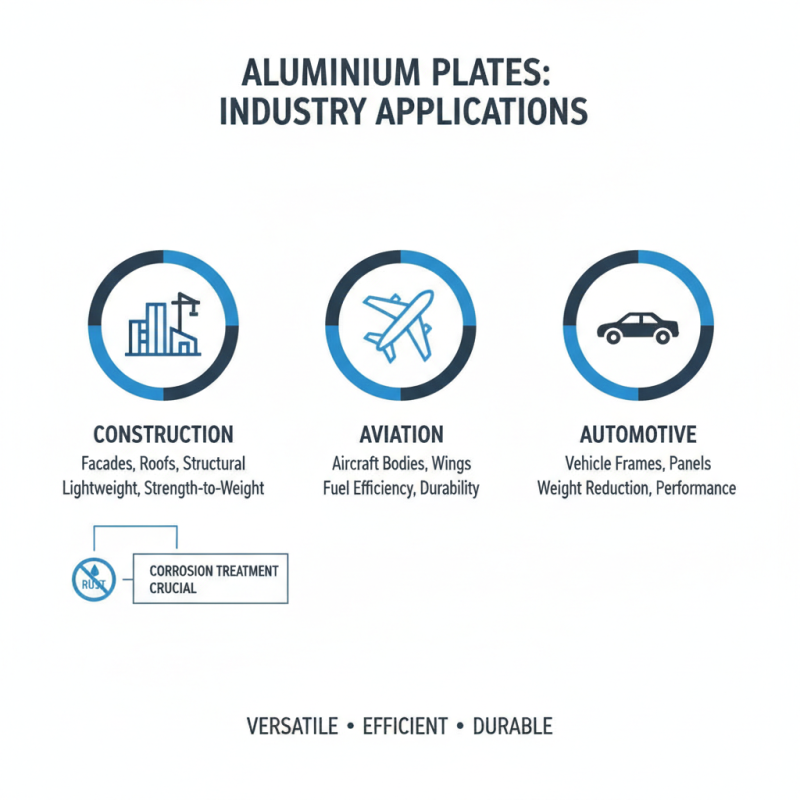
Aluminium plates are widely used across various industries, particularly in construction, aviation, and automotive sectors. In construction, these plates provide excellent strength-to-weight ratios. They are often used in facades, roofs, and structural components. The lightweight nature of aluminium helps to reduce overall building weight, which is crucial for safety and efficiency. However, some might overlook the importance of proper corrosion treatment to ensure long-lasting performance.
In the aviation industry, aluminium plates play a pivotal role. They are utilized in fuselage structures, wings, and other critical components. The material’s ability to withstand extreme conditions makes it a preferred choice. Nevertheless, the challenge lies in balancing weight and strength. Engineers must continuously test and refine designs to enhance safety and performance. An unfortunate oversight can lead to significant risks.
The automotive industry also relies heavily on aluminium plates. They're commonly found in body panels and chassis elements. These plates contribute to fuel efficiency through reduced weight. However, not all manufacturers prioritize the environmental impact of sourcing and production. A thoughtful approach is needed to ensure sustainability in this field. Overall, while aluminium plates offer many benefits, careful consideration of their applications is essential for achieving optimal results.