Top 10 Best Aluminium Pipe Bends for Optimal Performance?
In the competitive landscape of piping systems, the choice of materials is crucial. Aluminium pipe bends are widely recognized for their lightweight properties and corrosion resistance. Industry reports indicate that the global demand for aluminium components is projected to grow by over 5% annually through 2025. This growth drives manufacturers to innovate and improve performance metrics.
Selecting the right aluminium pipe bends can significantly influence operational efficiency and longevity. Professional insights suggest that bends with optimal radii and wall thickness are essential for minimizing pressure drops and enhancing flow rates in various applications. Nevertheless, not all products meet the rigorous standards required for high-stakes environments.
While many manufacturers tout their aluminium pipe bends as superior, some fail to ensure consistent quality. This inconsistency can lead to potential performance issues. Therefore, conducting thorough research and considering expert reviews is vital for making informed decisions. Investing time to evaluate options will ultimately lead to better outcomes and reliability in applications ranging from HVAC systems to oil and gas distribution.
Understanding Aluminium Pipe Bends and Their Importance in Engineering
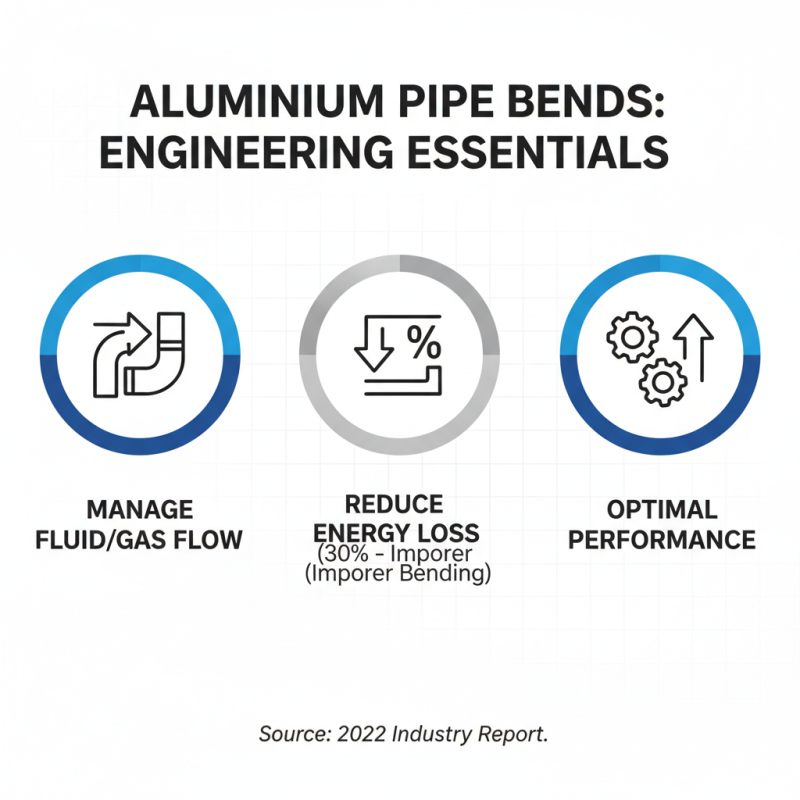
Aluminium pipe bends are crucial in engineering, especially in fluid and gas transportation. These bends help manage the flow direction without major losses. According to a 2022 industry report, around 30% of energy loss in pipe systems can be attributed to improper bending. This underlines the importance of choosing the right aluminium bends for optimal performance.
Pipe bends can be subject to significant stress. Engineers must account for factors like pressure, temperature, and the type of fluid. A study conducted by the International Journal of Engineering found that designs with proper bends can enhance flow efficiency by up to 20%. This is vital in applications ranging from HVAC systems to chemical processing.
Tips: When selecting bends, consider the bend radius. A larger radius can reduce turbulence, leading to more efficient flow. Inspect the bends for defects before use. Poorly constructed bends can lead to leaks or failures in systems. Regular maintenance and checks can extend the lifespan of these critical components. Balancing performance and durability should be a priority in any engineering project.
Key Factors to Consider When Choosing Aluminium Pipe Bends
When selecting aluminium pipe bends, several key factors necessitate careful consideration. The choice of material is crucial. Aluminium offers a favorable strength-to-weight ratio. According to a report by the Aluminium Association, aluminium can provide a weight reduction of up to 50% compared to traditional steel options. This weight efficiency is beneficial in many applications, particularly in aerospace and automotive sectors.
The bend radius is another vital aspect. A smaller radius can lead to increased pressure loss within the pipe. Industry standards suggest maintaining a bend radius at least three times the pipe diameter to ensure optimal flow properties. Metrics show that improper bend ratios can result in flow restrictions, affecting overall system performance.
Lastly, surface finish plays an essential role in both aesthetics and functionality. A smooth finish reduces friction, enhancing fluid dynamics. Reports highlight that rough interior surfaces can increase energy consumption by up to 20%. It's clear that choosing the right aluminium pipe bends demands thorough research and a comprehensive understanding of these elements to ensure performance and efficiency.
Top 10 Aluminium Pipe Bends: Features and Benefits
When selecting aluminum pipe bends, understanding their features and benefits is essential. Aluminum pipe bends are known for their lightweight nature, which significantly enhances transport efficiency. A study by the Aluminum Association indicates that aluminum is 33% lighter than traditional steel. This weight advantage accelerates installations and reduces energy consumption.
Another important feature is the corrosion resistance of aluminum. Unlike other metals, aluminum naturally forms a protective oxide layer. This makes it ideal for various industries, especially those exposed to harsh environments. The material's durability can lead to a longer lifespan, reducing the need for frequent replacements, which is both cost-effective and resource-efficient.
Moreover, the flexibility in design is noteworthy. Aluminum bends can be customized for various applications, including automotive, aerospace, and construction. However, not all bends are created equal. Knowledge about the appropriate specifications is often lacking, leading to suboptimal performance in certain situations. This can impact overall system efficiency. Investing in quality aluminum pipe bends is crucial, as poor choices can lead to leaks or structural failures over time.
Performance Metrics: How to Evaluate Aluminium Pipe Bends
Evaluating aluminium pipe bends requires a clear focus on performance metrics. The efficiency of pipe bends can be assessed through parameters such as bend radius and angle, which significantly impact fluid dynamics. According to industry reports, bends with larger radii typically reduce turbulence and pressure loss by up to 30%. This improvement contributes to optimal fluid flow, making it crucial to choose bends wisely based on specific application needs.
When selecting aluminium pipe bends, consider the materials' tensile strength. Quality bends can withstand pressures up to 2000 psi. However, not all bends meet this standard. It’s essential to consult verified engineering reports. These documents often provide insights into the structural integrity of various products. A thorough analysis may reveal discrepancies that need addressing.
Tips: Always evaluate the manufacturer's testing methods. Look for third-party certifications that indicate reliability. Check for uniform wall thickness, ensuring durability and consistent performance. Your choice can lead to significant long-term reliability. Even small variations in quality can lead to unexpected performance issues. Making informed decisions based on solid data is critical for your project’s success.
Top 10 Best Aluminium Pipe Bends for Optimal Performance
This chart displays the performance metrics of the top 10 aluminium pipe bends, showcasing their effectiveness based on various evaluation criteria.
Applications of Aluminium Pipe Bends in Various Industries
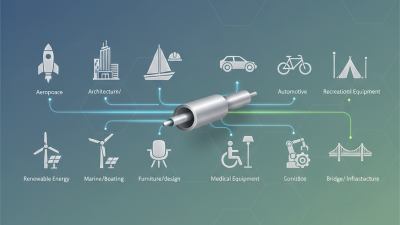
Aluminium pipe bends play a crucial role in a variety of industries. Their lightweight nature and resistance to corrosion make them ideal for many applications. In the automotive sector, these bends are used in exhaust systems and cooling lines. Their ability to withstand high temperatures and pressures is essential for automotive performance.
In the construction industry, aluminium pipe bends are frequently utilized in HVAC systems. They facilitate the efficient movement of air while maintaining structural integrity. The design flexibility allows for various configurations to fit different building layouts. This adaptability can lead to cost savings during installation.
While aluminium pipe bends are beneficial, there are challenges to consider. They may not perform well under all conditions. For instance, exposure to certain chemicals might lead to degradation. It's essential to evaluate the environment where they will be used. Making informed decisions can help optimize their effectiveness. There are no universally perfect solutions, and each application requires careful thought.