What is Aluminum Rod and How to Buy It Globally?
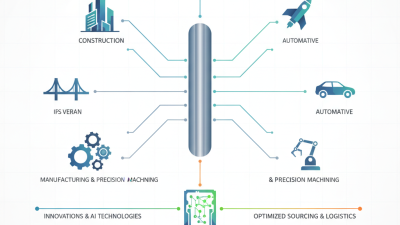
In the world of manufacturing, "Aluminum Rod" plays a crucial role. Expert John Smith, a knowledgeable figure in the aluminum industry, states, “Aluminum rods are essential for lightweight applications.” This highlights their importance in various sectors, from automotive to construction.
Aluminum rods offer strength with reduced weight. Industries often prefer them for projects requiring durability and efficiency. However, sourcing aluminum rods globally can be challenging. Factors like supplier reliability and material standards matter greatly. Buyers must research and validate suppliers thoroughly.
Buying aluminum rods involves understanding specifications and pricing. Since variations exist, it’s key to know your needs. Local and international markets can differ significantly, leading to potential mistakes. Make informed decisions to ensure optimal purchases.
What is an Aluminum Rod?
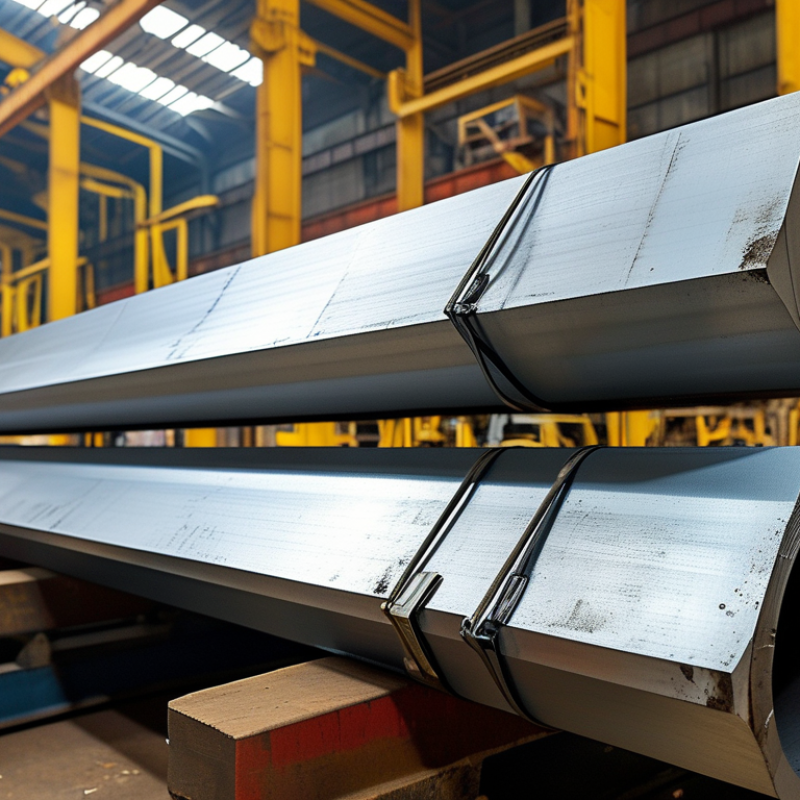
An aluminum rod is a versatile metal product widely used across various industries. These rods are cylindrical and come in different lengths and diameters, suitable for numerous applications. They are lightweight yet strong, making them ideal for construction, manufacturing, and automotive sectors. The manufacturing process involves extrusion, which creates a uniform shape, ensuring consistency in quality.
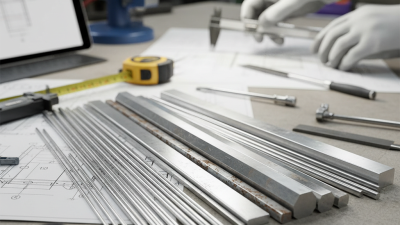
When considering an aluminum rod, it's important to assess its specifications. The alloy composition significantly influences its strength, corrosion resistance, and electrical conductivity. Certain applications may require specialized alloys to meet rigorous standards. A common yet overlooked aspect is proper storage and handling. Aluminum can deform under stress, which may not be apparent until it is put to use.
Buying an aluminum rod globally can be quite challenging. Differences in availability, pricing, and import regulations vary from country to country. Always check supplier credentials and gather quality assurance documentation. It is essential to reflect on your needs and local market conditions. Understanding these factors can lead to better purchasing decisions and long-term satisfaction with the material.
Types of Aluminum Rods and Their Applications
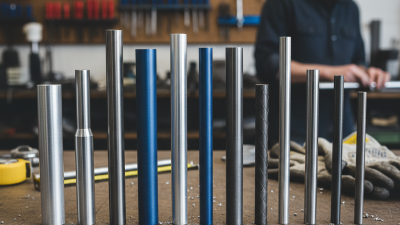
Aluminum rods are versatile products used across various industries. They come in different types, each serving unique applications. For instance, 6061 aluminum rods are popular for their excellent corrosion resistance. They are often used in structural applications due to their strength and weldability. According to a recent industry report, the global aluminum rod market is forecasted to grow by 5% annually, reflecting rising demand in construction and automotive sectors.
Another notable type is the 6063 aluminum rod, known for its excellent extrusion capabilities. It is commonly used in architectural applications, such as window frames and door frames. The lightweight and flexibility of 6063 aluminum allow for intricate designs, which is increasingly important in modern architecture. Notably, the automotive industry is utilizing aluminum rods to enhance fuel efficiency and reduce vehicle weight. As global regulations push for more sustainable materials, the use of aluminum is expected to rise.
Some challenges remain as manufacturers work to meet increasing demand. Sourcing high-quality aluminum can be a complex process, often leading to inconsistencies in product quality. The global supply chain issues in recent years have further complicated availability. These factors emphasize the importance of careful sourcing and quality assurance when purchasing aluminum rods.
Key Factors to Consider When Buying Aluminum Rods
When considering the purchase of aluminum rods, several critical factors come into play. The first aspect is understanding the specific grade of aluminum needed for your project. Common grades include 6061 and 7075, each offering unique properties suitable for different applications. For instance, a 2023 report from the Aluminum Association notes that 6061 offers good corrosion resistance and weldability, making it an excellent choice for structural applications.
Next, it's crucial to evaluate the suppliers. Not every supplier provides the same quality or consistency. According to industry standards, certified suppliers ensure their materials meet specific guidelines. Another report from the International Aluminum Institute emphasizes that reliable suppliers should have a good track record and can provide certification for their products. This reliability can minimize risks associated with product failure in critical applications.
Lastly, consider the logistics involved in international purchasing. Transport costs and delivery times can significantly impact project timelines. Data from market research indicates that shipping costs can account for 20-30% of the total cost when importing aluminum. Always factor these costs into your budget. Taking the time to research and reflect on these elements can lead to a more informed purchasing decision.
Global Aluminum Rod Production by Region (2023)
Global Suppliers and Market Trends for Aluminum Rods
Aluminum rods are essential in various industries, including construction, automotive, and aerospace. Understanding global suppliers and current market trends can greatly assist buyers in making informed decisions. The aluminum rod market has seen a significant surge in demand due to its lightweight and corrosion-resistant properties. Many manufacturers are now focusing on producing high-quality aluminum rods to meet international standards.
In recent years, several regions, especially in Asia and North America, have emerged as key suppliers. This growth has led to more competitive pricing. However, fluctuations in raw material costs can impact market stability. Buyers should stay updated on these trends to avoid overspending. Collaborating with reliable suppliers is crucial, as not all offer consistent quality.
It's worth noting that some suppliers may employ varying quality control measures. This inconsistency can lead to disappointment for buyers seeking high-grade aluminum rods. Conducting thorough research into potential suppliers is vital. Engaging in industry forums can also provide insights into reputable sources. Buyers must remain cautious and skeptical, ensuring they make well-informed choices in a rapidly changing market.
Tips for Importing Aluminum Rods from International Markets
When considering importing aluminum rods, understanding market dynamics is key. Research potential suppliers thoroughly. Reliability and quality are paramount. Look for verified manufacturers with a proven track record. They should have positive customer reviews and transparent business practices. This reduces risks associated with low-quality products.
Shipping logistics play an integral role. Consider factors like shipping costs, delivery times, and customs clearance. Finding a reputable freight forwarder can streamline this process. They can help navigate import regulations specific to your country. However, be aware that delays often occur. This can affect your project timelines.
Lastly, be prepared for variations in pricing. Different countries may have different rates. Regular market research will help you anticipate these fluctuations. Importing can be complex, and it’s common to encounter unforeseen challenges. Keeping communication open with suppliers and logistics partners can help mitigate these uncertainties. Always stay flexible and ready to adapt.